For a long time, I believed what many people do: sapphires were always deep blue, garnets were always red, and zircon was simply another name for cubic zirconia.
As I went deeper into designing jewelry, I discovered how incomplete that picture really was. The world of gemstones is far more expansive—and far more interesting—than traditional assumptions suggest. Today’s modern gemstones offer a broader range of color, durability, and personality than ever before.
Sapphires Are Not Just Blue
Sapphires naturally occur in nearly every color of the rainbow. Scientifically, they belong to the mineral family known as corundum—the same family as rubies.
We’re especially drawn to Montana sapphires. Compared to what many people think of as “traditional” sapphires, these stones tend to be lighter, more translucent, and full of subtle color variation. Their hues often range from green to blue and everything in between, making them ideal for those who want something nuanced rather than expected.
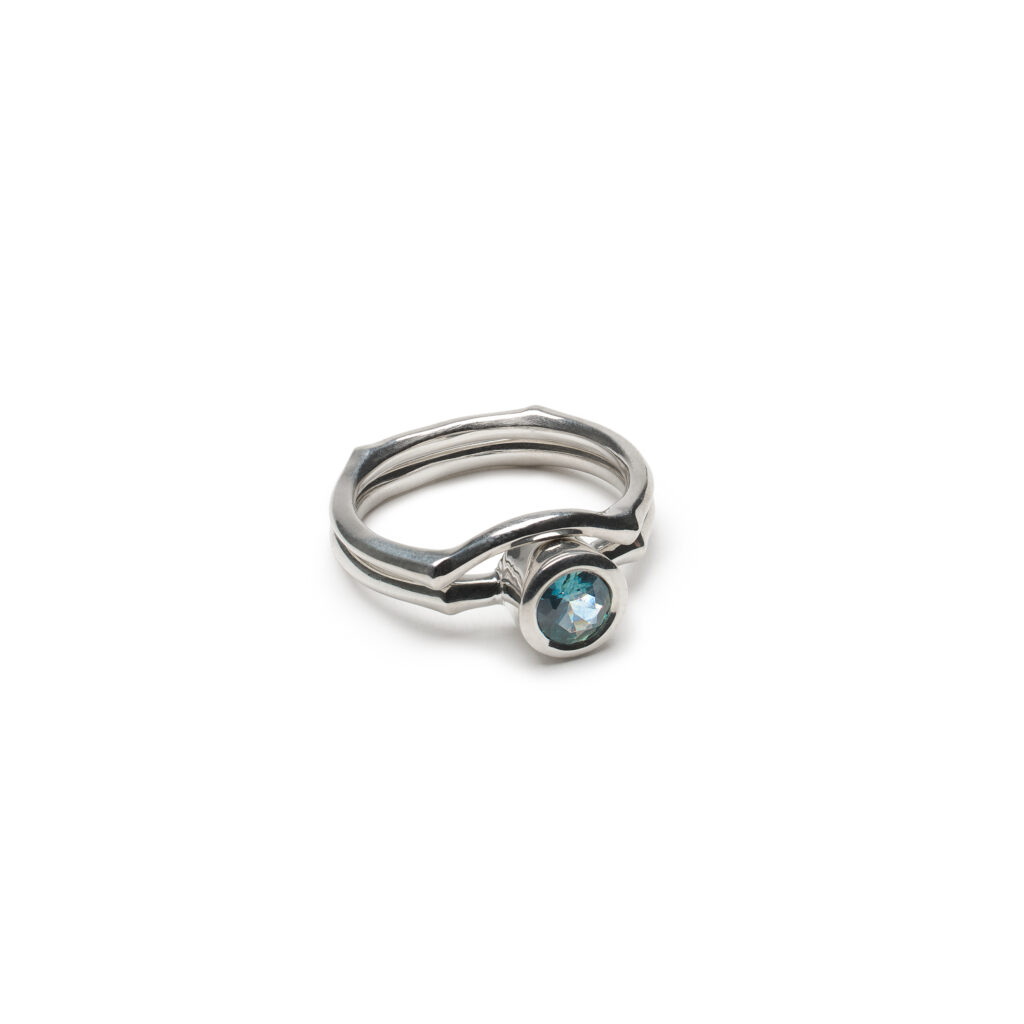
Garnet, Reimagined: Tsavorite
Garnet is another gemstone often misunderstood. While many people associate garnet with deep maroon tones, garnets actually occur in a wide range of colors.
Tsavorite garnet, in particular, is a standout. Its vivid green rivals emerald, but with greater durability for everyday wear. While emeralds are relatively hard, their internal structure makes them more brittle. Tsavorite offers exceptional color with fewer compromises, making it an appealing alternative for rings and frequently worn pieces.
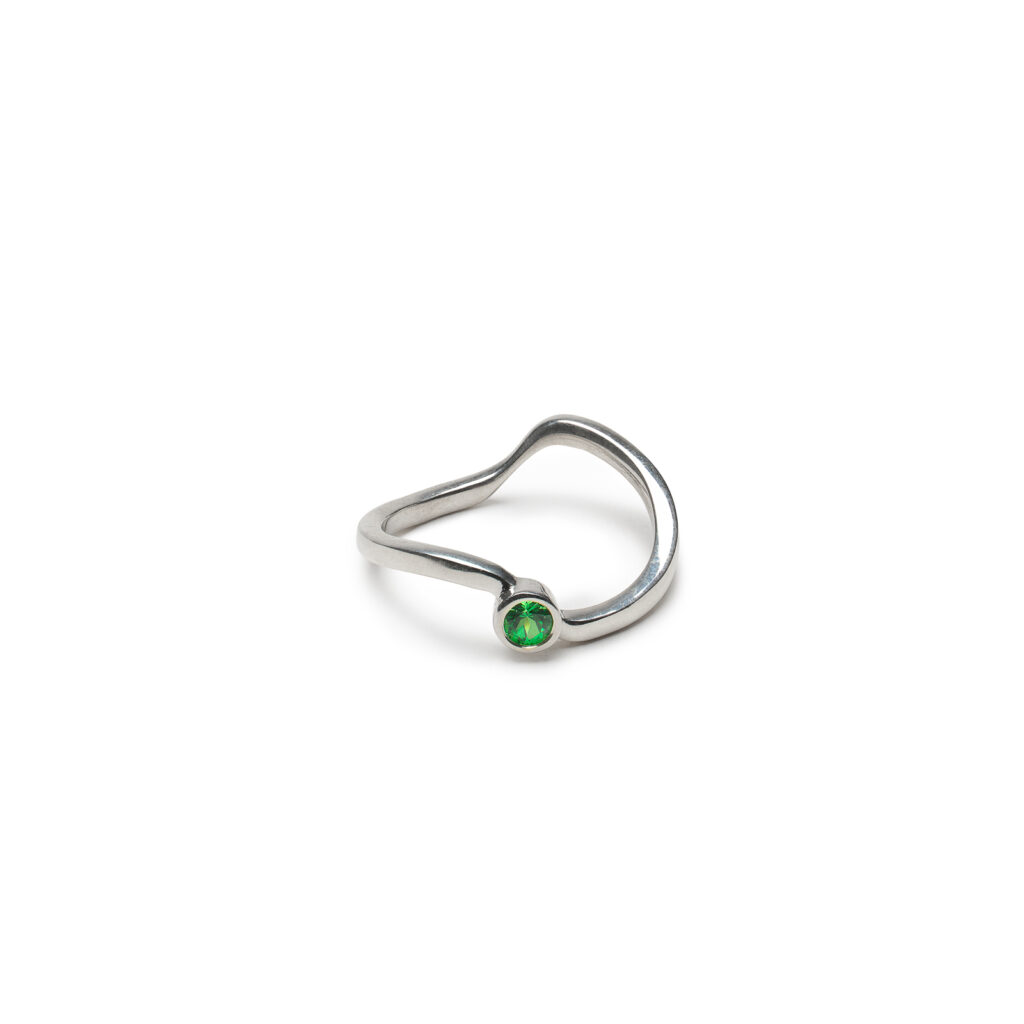
Tsavorite garnet, in particular, is a standout. Its vivid green rivals emerald, but with greater durability for everyday wear. While emeralds are relatively hard, their internal structure makes them more brittle. Tsavorite offers exceptional color with fewer compromises, making it an appealing alternative for rings and frequently worn pieces.
Spinel: Understated and Exceptional
Spinel remains one of the most overlooked modern gemstones, despite its beauty and strength. It occurs naturally in pink, black, blue, and grey.
Grey and pink spinels are personal favorites—each understated, elegant, and quietly striking in its own way. Spinel’s durability also makes it well-suited for jewelry intended to last.
Zircon Is Not Cubic Zirconia
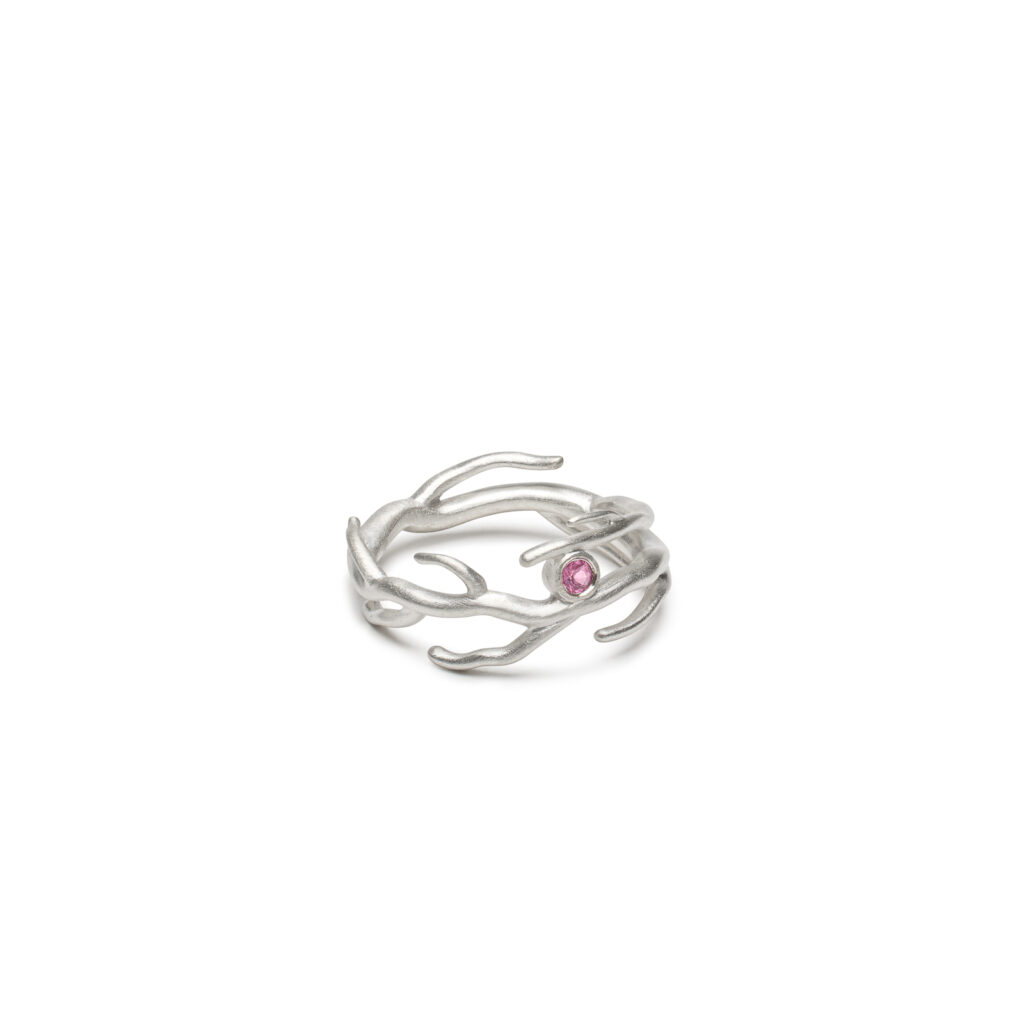
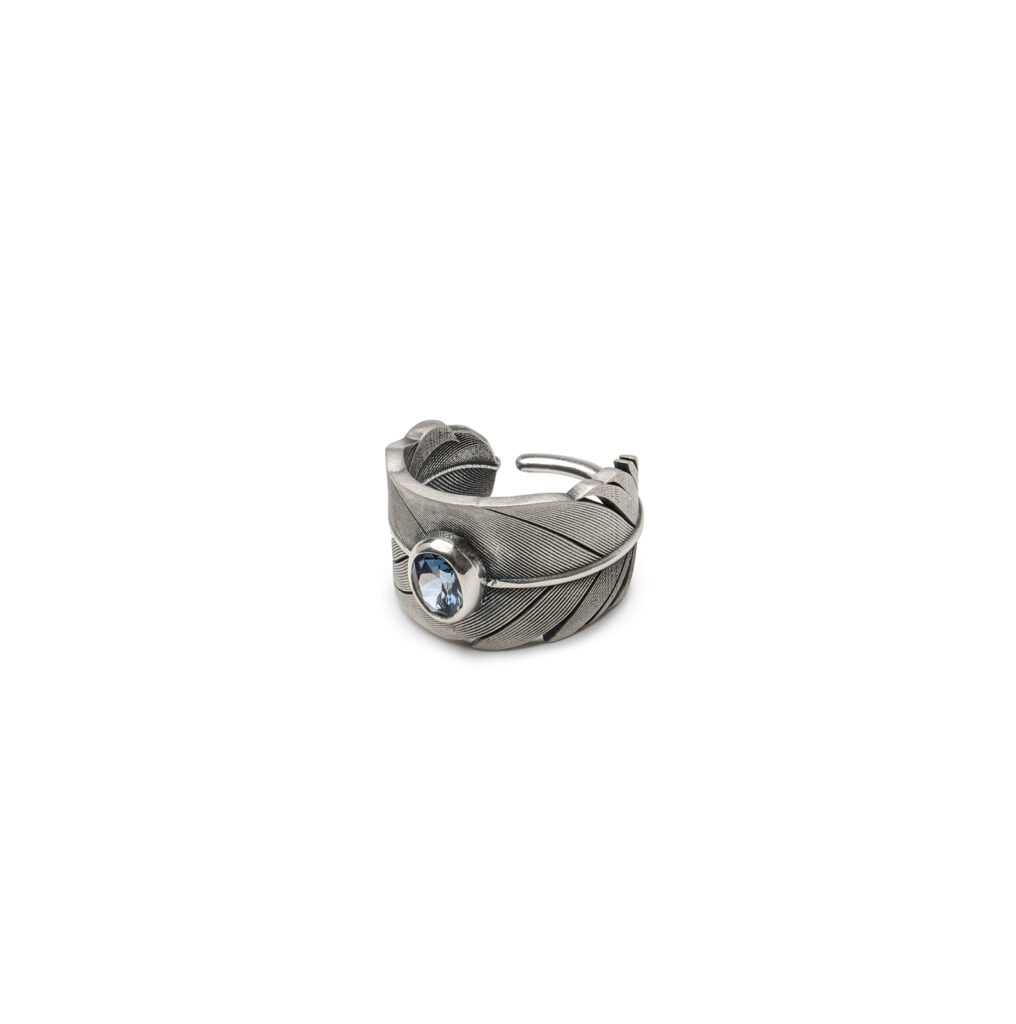
Zircon is often confused with cubic zirconia, but they are entirely different materials. Zircon is a naturally occurring gemstone with a long history in fine jewelry.
It appears in warm golden and champagne tones as well as vivid robin’s-egg blues. Its brilliance and depth make it a compelling option for those drawn to light-reflective stones with character.
Cognac Diamonds: Warmth With Strength
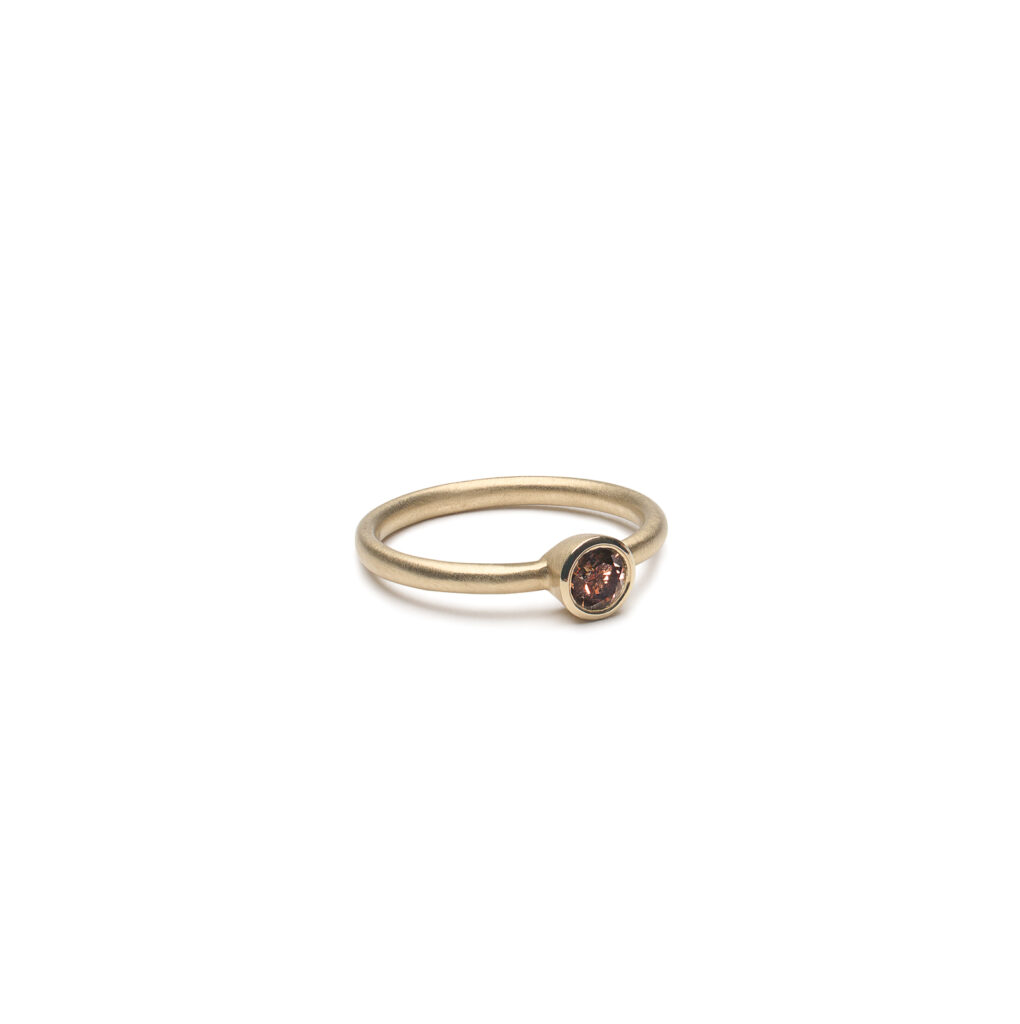
Diamonds are not only icy white. Cognac diamonds occur naturally in a spectrum of warm hues, from pale champagne to rich amber and deep brown.
They offer the same durability as traditional white diamonds, but with a softer, more organic presence. Cognac diamonds pair especially well with oxidized silver or warm-toned gold, where their color can truly shine.
Tanzanite: Color With Depth
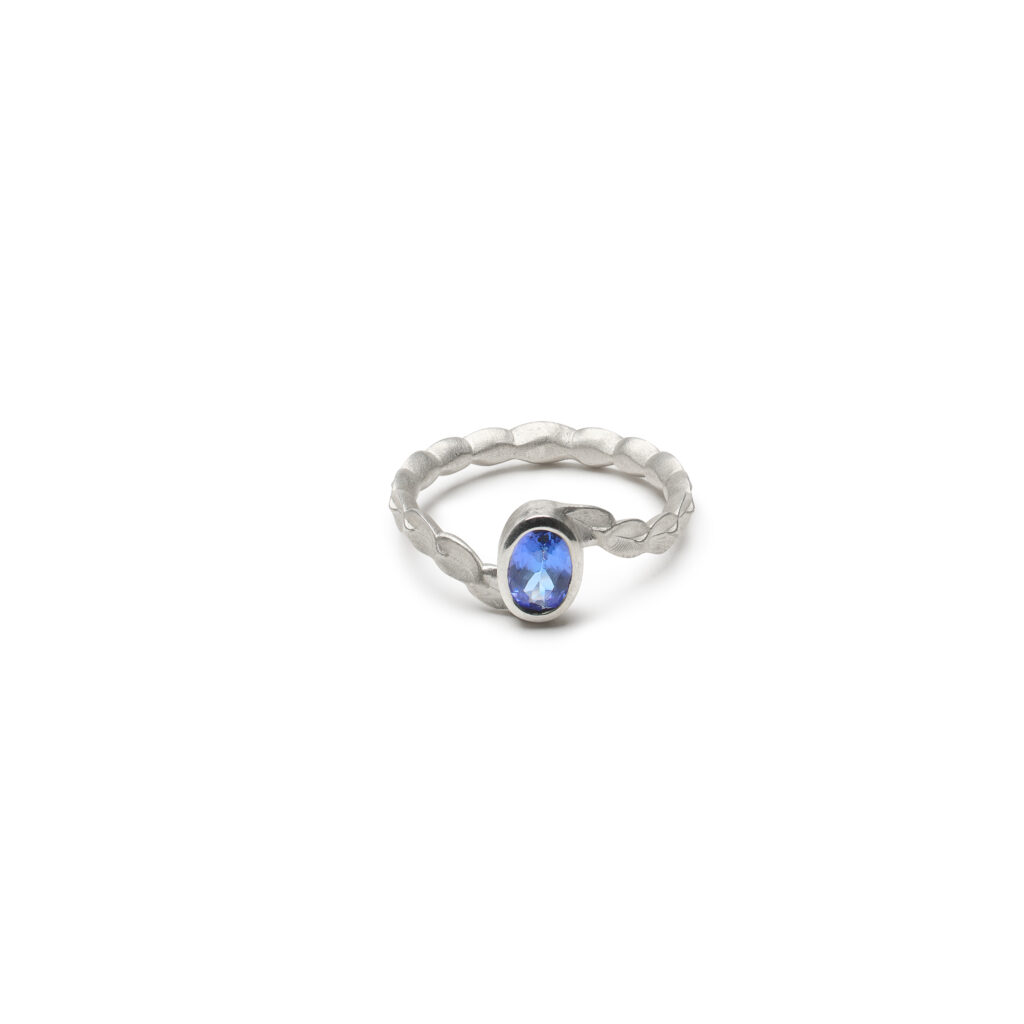
Tanzanite occupies a unique place among modern gemstones. Known for its saturated blue-violet tones, it often shifts between blue, purple, and indigo depending on the light.
While tanzanite is softer than sapphire and best suited to mindful wear, its depth of color is unmatched. For many, that expressive quality outweighs the need for maximum durability.
Choosing Gemstones: Practicality and Personal Meaning
Historically, gemstones have been chosen for many reasons—availability, popularity, durability, and symbolism. Practical considerations still matter. For example, opals are much softer and more prone to damage than sapphires, which is why sapphires are more commonly used in rings designed for daily wear.
But practicality is only part of the equation.
Color, cost, and personal connection matter just as much. Some lesser-known gemstones are more expensive than their famous counterparts, while others are surprisingly accessible. Ultimately, the most important factor is choosing a gemstone whose color and character resonate with you.
Modern gemstones invite us to look beyond tradition—and to choose stones that reflect who we are now.